As the options on the shelf multiply, so do the questions about what a plant-based diet actually does once it reaches the bowl.
Dogs process plant protein differently than animal protein. The differences are measurable, they are well documented, and some of them have consequences that do not show up on a label or in the first few months of feeding. This post breaks down the biology behind those differences so you can make a genuinely informed decision about what goes in the bowl.
Not all protein is created equal
Protein is not one thing. It is a chain of amino acids, and the nutritional value of any protein source depends on two questions: which amino acids does it contain, and how many of them can the dog actually absorb?
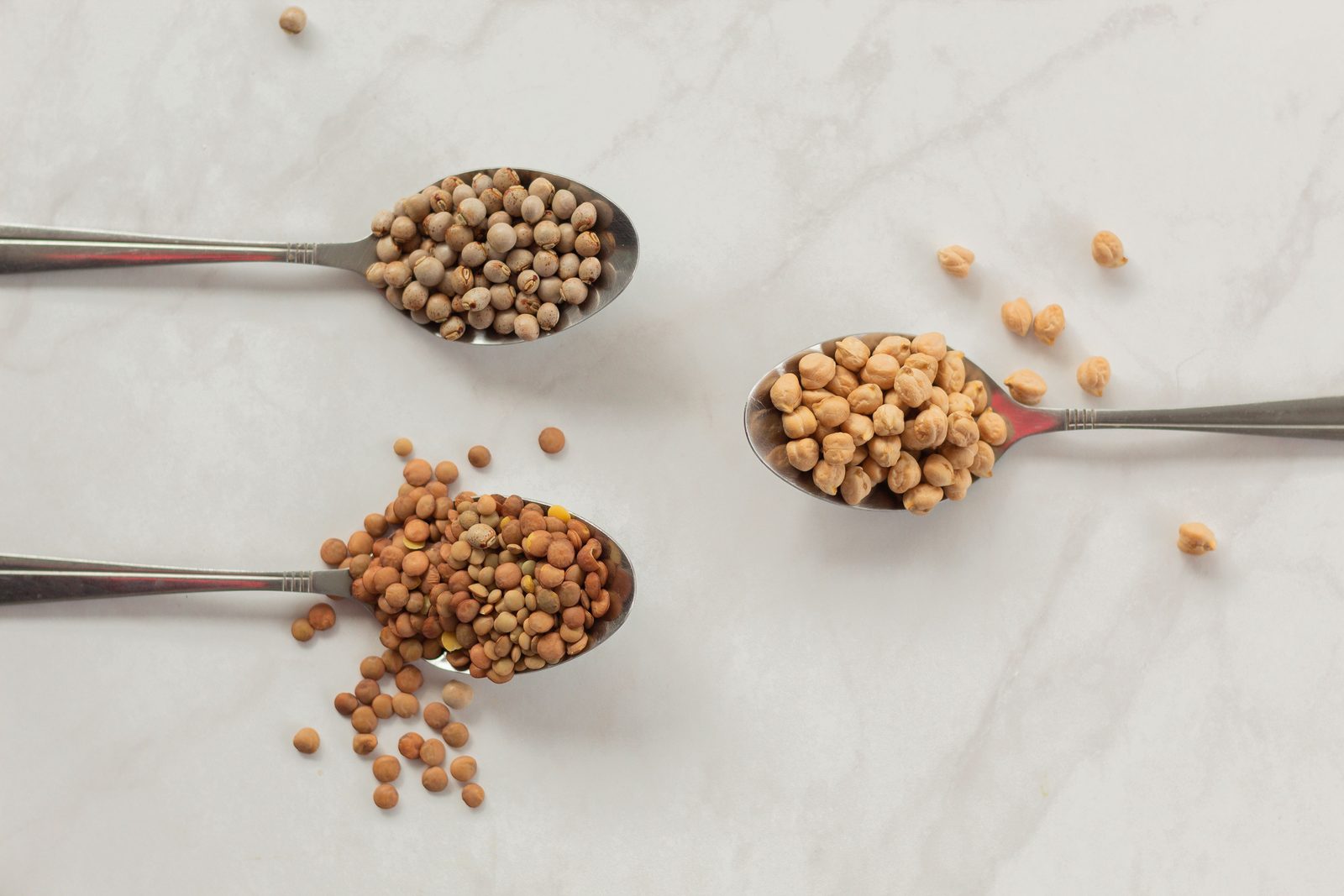
Dogs need ten essential amino acids from food. Animal proteins like muscle meat, eggs, and organ tissue tend to contain all ten in proportions that closely match what the dog's body requires. Most plant proteins do not. Legumes like peas, lentils, and soy are relatively rich in protein by weight, but they tend to run low on specific amino acids, particularly methionine, cysteine, leucine, lysine, and tryptophan. A single plant source rarely covers the full profile on its own.
Combining different plant sources can close some of these gaps, and well-formulated commercial vegan diets attempt exactly this. But independent analyses tell a less reassuring story: a significant number of commercial vegan pet foods fall short of minimum nutrient recommendations for one or more essential amino acids.
The gap between what the label promises and what the dog receives is wider than most owners realise.
Digestibility is where the real gap lives
Even when a plant protein source contains the right amino acids on paper, the question is how much the dog can actually extract. This is digestibility, and it is the difference between what goes into the bowl and what makes it into the bloodstream.
Animal proteins are typically highly digestible in dogs. Plant proteins are more variable, and several factors pull them down.
Anti-nutritional factors
The main ones are compounds called anti-nutritional factors. These are not contaminants or additives. They are natural compounds that plants produce as part of their own defence, and they include trypsin inhibitors, phytic acid, lectins, tannins, and saponins. Legumes and cereals are particularly rich in them.
What these compounds do, in short, is get in the way of digestion. Some block the enzymes the pancreas sends out to break protein apart. Others bind directly to minerals like iron, zinc, and calcium, making them harder to absorb. Others attach to proteins themselves and make them resistant to breakdown. The net result is that a portion of the protein and minerals in the food passes through the small intestine without being absorbed.
Heat, and the Maillard reaction
Processing with heat, pressure and extrusion reduces some of these compounds but does not eliminate all of them. And heat processing introduces its own problem: the Maillard reaction. At high temperatures, amino acids, especially lysine and the sulphur amino acids methionine and cysteine, react with sugars and become chemically unavailable. The amino acid is still detectable in a lab analysis of the food, but the dog's body cannot use it. A label can overstate the usable protein in the bag.
What happens to protein the dog cannot digest
This is where digestibility stops being an abstract number and starts affecting the dog's gut.
Protein that is not broken down and absorbed in the small intestine continues into the large intestine. The bacteria there ferment it, and the process produces ammonia, phenols, indoles, and hydrogen sulphide. These are not benign byproducts. Ammonia and phenols damage the cells lining the colon wall. Hydrogen sulphide is particularly problematic because it interferes with the ability of colon cells to use butyrate, their primary energy source. When those cells cannot fuel themselves properly, the barrier function of the gut wall weakens.
In a dog with a healthy gut, small amounts of undigested protein reaching the colon are normal and manageable. But when digestibility is consistently lower, more protein arrives in the colon day after day, more of these compounds accumulate, and the effect is not a single event but a slow shift. Over time, this can contribute to chronic low-grade inflammation, changes in the gut microbiome, and impaired barrier function, none of which are obvious from the outside until they are well established.
The taurine question
Dogs can make their own taurine, but they need two building blocks to do it: the amino acids methionine and cysteine. In plant-based diets, methionine is often in short supply, and anti-nutritional factors can reduce its absorption further. When the raw material runs low, taurine production drops.
This matters because low taurine has been linked to dilated cardiomyopathy (DCM), a serious and sometimes fatal heart condition. Cases of taurine-deficient DCM have been documented in dogs fed commercial vegan diets. They are not common, but they are not theoretical either.
Iron: more is not necessarily better
Plant-based ingredients contain non-heme iron, which the body absorbs less efficiently than the heme iron found in animal tissue. Phytic acid in legumes and grains binds iron further and reduces absorption even more.
To compensate, manufacturers of plant-based dog foods often add higher levels of supplemental iron, typically in inorganic forms. The logic makes sense on paper: if less gets absorbed, put more in.
The issue is what happens to the iron that does not get absorbed. It continues to the large intestine, where it alters the microbial environment. Research indicates that unabsorbed iron in the colon promotes the growth of potentially harmful bacteria at the expense of beneficial ones, and generates oxidative stress on the gut lining. The solution to one problem, low absorption, feeds directly into another, gut disruption, and this is happening in the same colon that is already dealing with the fermentation products from undigested protein.
Omega-3 is not one thing
Most plant-based diets supply omega-3 fatty acids in the form of ALA (alpha-linolenic acid), found in flaxseed, chia, and similar sources. But ALA is a precursor, not the finished product. The omega-3 forms with documented anti-inflammatory effects in dogs are EPA and DHA.
Dogs convert ALA to EPA and DHA very poorly. The conversion rate sits below 5 to 10 percent for EPA, and DHA production from ALA is close to zero. The enzyme responsible for the conversion also handles omega-6 fatty acids, which are abundant in plant oils, so the two compete for the same pathway. A diet built on plant oils can push an already poor conversion rate even lower.
Algae oil contains preformed EPA and DHA and is a genuine plant-derived alternative to fish oil. But most standard vegan dog foods rely on flaxseed or similar ALA sources rather than algae oil, which means the dog may be getting very little usable EPA and DHA despite what the omega-3 line on the label suggests.
B12 and the absorption problem
Vitamin B12 occurs naturally almost exclusively in animal-derived foods, so plant-based diets must supplement it. But B12 absorption depends on a healthy gut, specifically a functioning ileum. If chronic low-grade inflammation is present, and several of the mechanisms above can contribute to exactly that, B12 absorption declines even when supplementation looks adequate on paper. Low B12 then slows gut healing, creating a feedback loop where the problem reinforces itself.
Where does this leave you
Read back through this post and notice how many of these problems connect to each other. Lower digestibility sends more protein to the colon. The colon ferments it into compounds that damage the gut wall. Excess supplemental iron lands in the same colon and makes it worse. A weakened gut absorbs B12 poorly. Low B12 slows gut repair. Limited methionine means limited taurine production, and anti-nutritional factors reduce methionine absorption further. These are not isolated risks. They are a web, and pulling on one thread tightens several others.
Can a vegan diet work for a dog? In some cases, with expert formulation, regular bloodwork, and close monitoring, it can. But the number of things that need to go right is high, the margin for error is narrow, and the consequences of getting it wrong tend to show up quietly, over months, in ways that are difficult to reverse by the time they become visible.
The question I always come back to in my work is simple: is this the best thing for the dog? Sometimes the answer is not the one the owner was hoping for. But the dog's biology does not negotiate.
If you are feeding or considering a plant-based diet for your dog, work with someone who can evaluate your individual animal, choose the right formulation, and track the biomarkers that actually matter. That is exactly what I do in a one-on-one consultation.
References
- National Research Council (2006). Nutrient Requirements of Dogs and Cats. Washington, DC: The National Academies Press.
- FEDIAF (current edition). Nutritional Guidelines for Complete and Complementary Pet Food for Cats and Dogs.
- Zafalon, R. V. A. et al. (2020). Nutritional inadequacies in commercial vegan foods for dogs and cats. PLOS ONE, 15(1), e0227046.
- Kölln, M. and Kamphues, J. (2019). Cardiomyopathy due to suspected taurine deficiency in a dog fed a vegan diet. Case report on taurine-deficient DCM in a dog on a commercial plant-based diet.
- Gilani, G. S., Xiao, C. W. and Cockell, K. A. (2012). Impact of antinutritional factors in food proteins on the digestibility of protein and the bioavailability of amino acids and on protein quality. British Journal of Nutrition, 108(S2), S315–S332.
- Reilly, L. M. et al. (2020); Kanakubo, K., Fascetti, A. J. and Larsen, J. A. (2015); Smola, M. A. et al. (2024). Plant-based commercial diets and essential amino acid profiles in dogs.
- Alternative proteins: an innovative approach to dog food production. Frontiers in Animal Science (2025).
This article is general educational information and does not replace an examination, diagnosis, or treatment plan from your own veterinarian. If your dog is unwell, contact your veterinary clinic.