Most dog foods contain a significant amount of carbohydrate in their recipes. If you read the labels, rice, corn, wheat, potato, and peas are often the first ingredients listed. It looks like proof that dogs need a lot of carbohydrate. But the truth is, they don't. Understanding why it is really in the bag, and when it helps or hurts, will change the way you feed your dog.
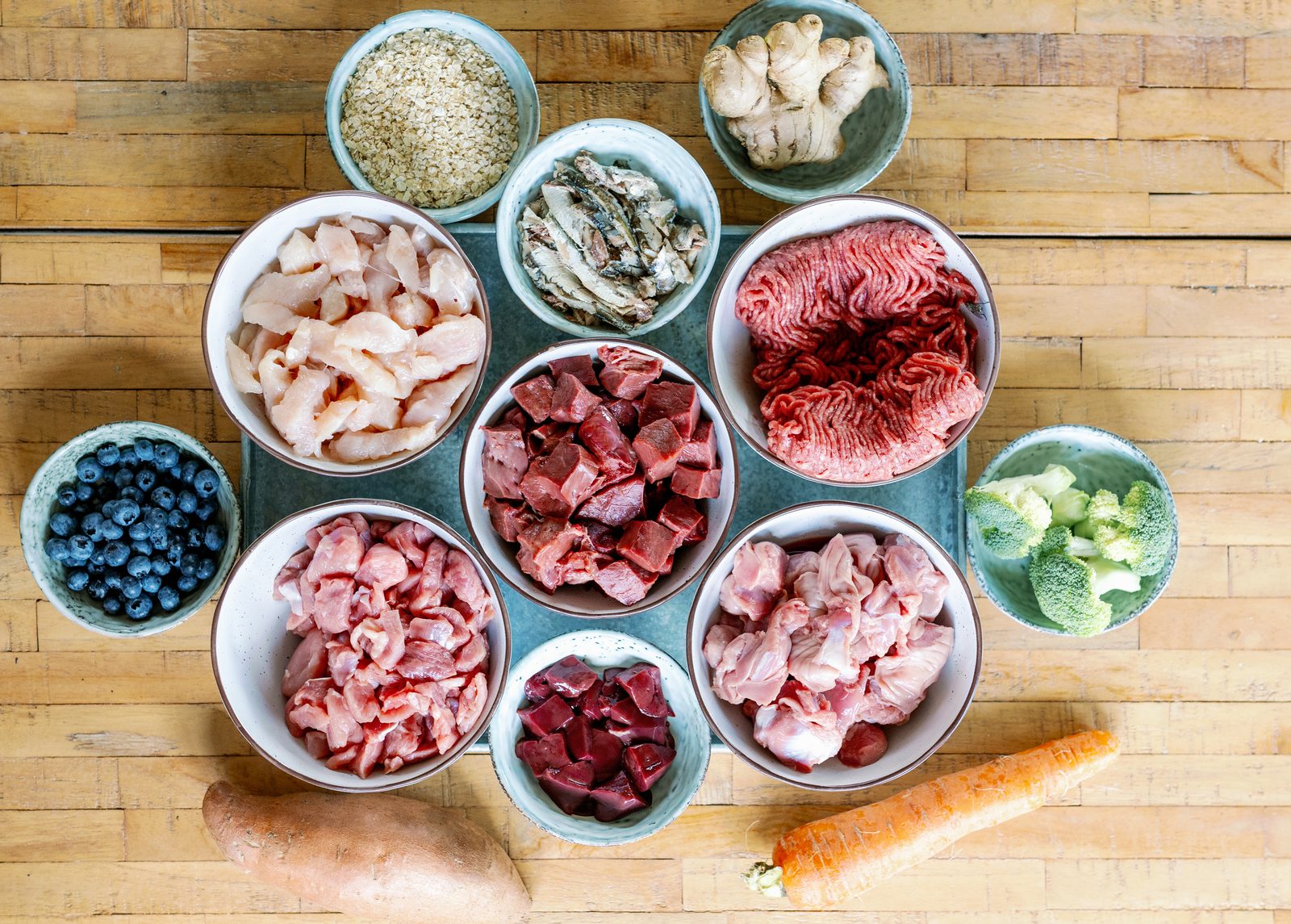
The fact that surprises most people
Dogs have no dietary requirement for carbohydrate.
The National Research Council in the US, and its European counterpart FEDIAF, both define what dogs actually need to stay healthy. Their published lists include protein, fat, specific amino acids and fatty acids, vitamins, and minerals. Carbohydrate is not on either one.
The reason is simple. Every mammal needs a small amount of glucose to run certain cells, including brain cells and red blood cells. A dog's body can produce that glucose on its own, from parts of protein and fat. It does not need to eat carbohydrate to have glucose in the blood. It can make its own.
So carbohydrate in a dog's bowl is never there because the dog needs it as a nutrient. It is there for other reasons.
Why carbohydrate ends up in most dog food anyway
Three reasons, and none of them is "your dog needs it."
Cost
Starch is the cheapest source of calories on earth. A kilogram of rice delivers far more energy per euro than a kilogram of meat. When a food has to hit a calorie target at a price point, carbohydrate does the heavy lifting.
Manufacturing
Dry kibble is made by extrusion, and extrusion physically needs gelatinised starch to puff and hold its shape. A bag of dry food is structurally locked into being somewhere between 30 and 50 percent carbohydrate. It literally cannot be made without it.
Biology, but only up to a point
Dogs are not wolves with collars. As humans moved from hunting to farming, cooked starches became abundant around every settlement, and the animals that could digest them had an edge. Over generations, dogs picked up extra copies of the gene that produces pancreatic amylase, the enzyme that breaks down starch. A modern dog handles cooked carbohydrate far better than its wild cousin. Can, not must.
That last distinction is everything. Tolerating carbohydrate is not the same as thriving on it.
What dogs choose when given the choice
Palatability matters too. A food only has nutritional value if the dog actually eats it, and dogs consistently prefer protein and fat to starch. We know this from more than casual observation.
In controlled self-selection studies, adult dogs were offered several foods varying in macronutrient composition and allowed to eat freely across multiple days. They built a diet in which roughly one third of their calories came from protein, close to two thirds from fat, and only a small fraction from carbohydrate. Given a genuine choice, dogs do not construct a starch-heavy diet. They construct a protein and fat heavy one.
This shows up at the bowl too, especially in small breeds, who are often pickier and have proportionally higher energy needs for their size.
Not all carbohydrates behave the same
Not required does not mean interchangeable. The type of carbohydrate on the plate matters as much as the amount.
Simple sugars and highly refined starches raise blood glucose quickly. Repeated glucose spikes drive low-grade systemic inflammation, contribute to insulin resistance, and support weight gain, in dogs as in humans.
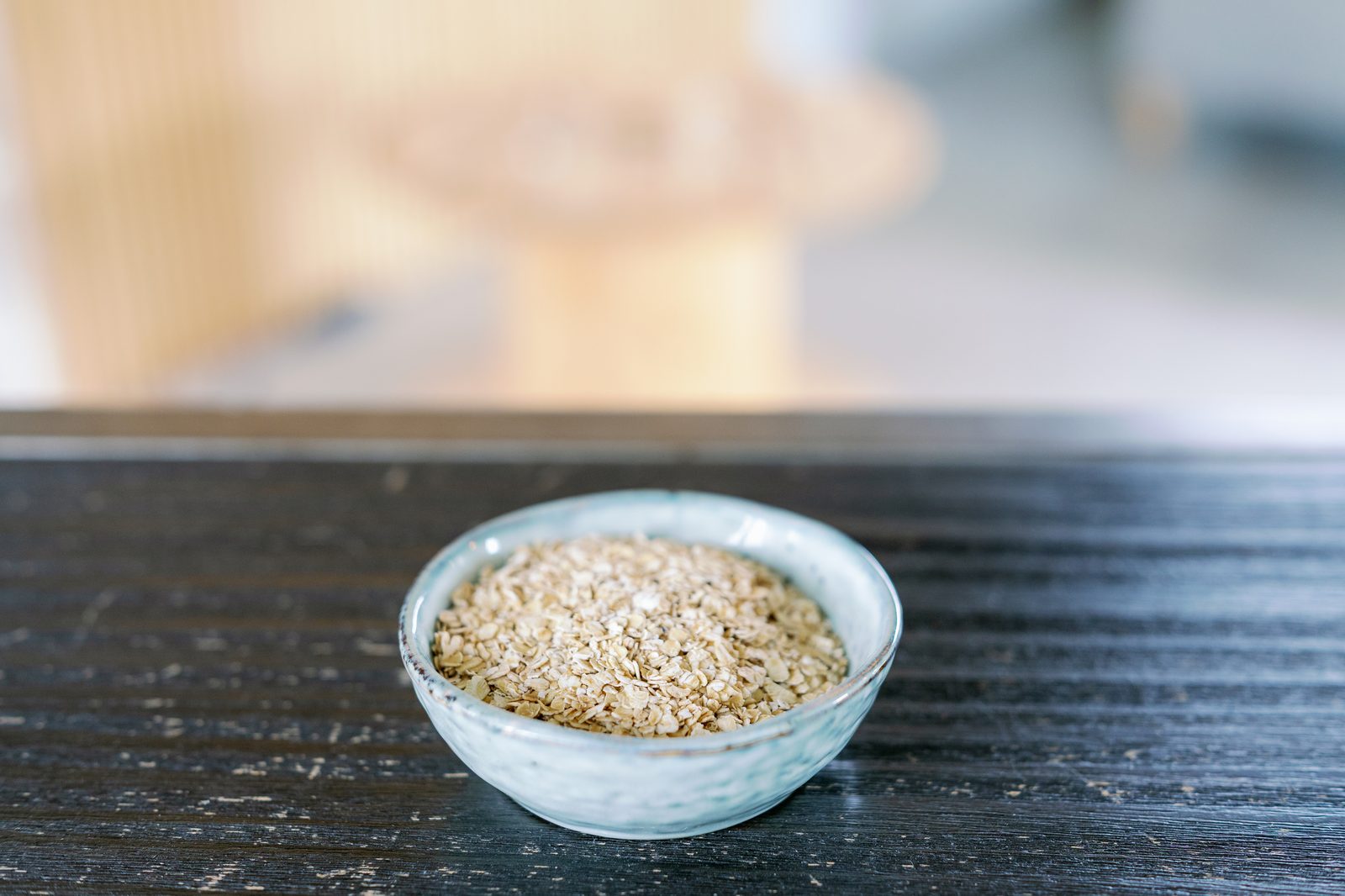
Complex carbohydrates are a different story. Well-cooked sweet potato, pumpkin, squash, and oats bring more than calories to the bowl. They carry soluble and insoluble fibre that feeds the gut microbiome and supports stool quality, along with vitamins and minerals like beta-carotene, potassium, and B vitamins. Their starch is bound up with fibre and cell structure, so glucose releases slowly and steadily rather than in a spike.
The useful frame is not "carbs good" or "carbs bad." It is which carbs, in what amount, for which dog.
Homemade versus commercial: where the freedom is
This is where the difference between kibble and a properly formulated homemade diet becomes real.
Extrusion needs starch. A bag of dry food is structurally locked into being a significant percentage carbohydrate, and the manufacturer's real choice is which starch to use, not whether to include a lot of it.
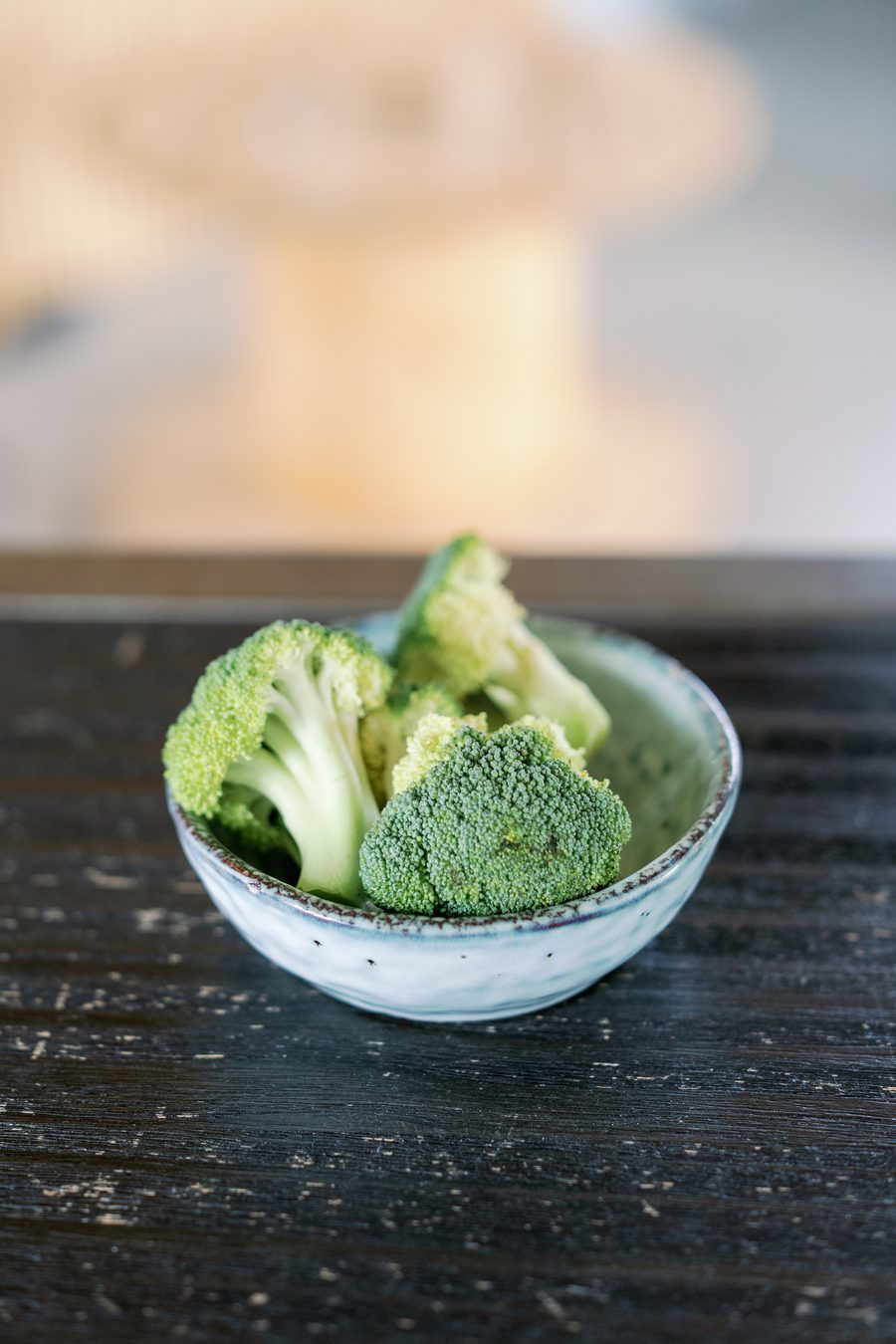
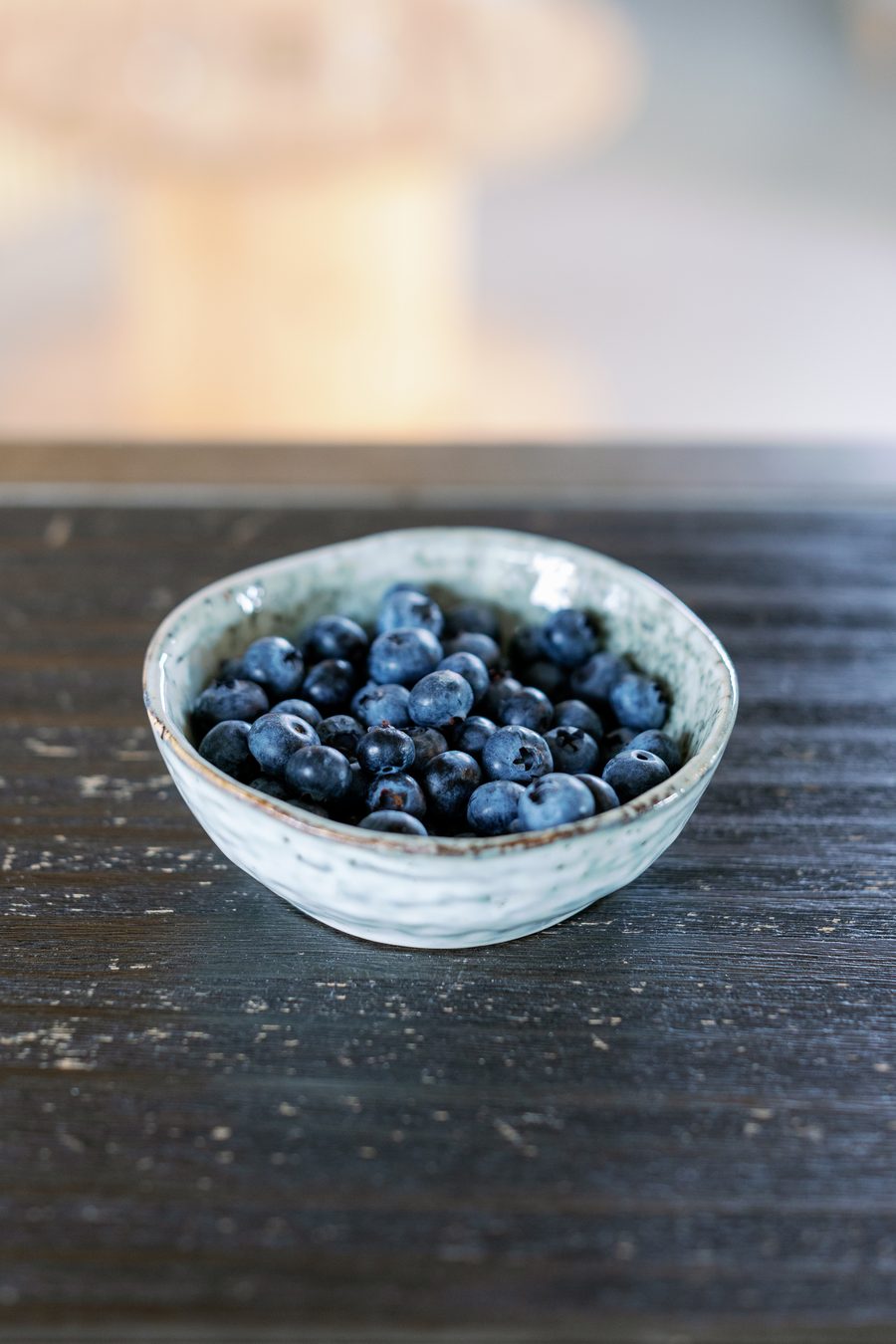
A homemade diet does not carry that constraint. You choose the protein, the fat, and the carbohydrate sources. You can favour sweet potato or squash over refined flour. You can run the diet lower in carbohydrate if that suits your dog. You control the ingredient list.
The word that matters is balanced. A homemade diet only works when it meets the full nutrient profile a dog requires, which usually means working from a formulation reviewed by a veterinary nutritionist rather than improvising.
So should you cut carbohydrate?
It depends. On age, breed, activity level, current weight, body condition, and health history. On whether your dog has any tendency toward pancreatitis, kidney trouble, diabetes, or a food sensitivity. Excess of any macronutrient can cause problems, and the ideal diet looks different for every dog.
Any real change to what your dog eats, and especially a shift toward home-prepared food or a diet built around a health condition, is worth making with the help of someone trained in pet nutrition. As a vet certified in pet nutrition, that is exactly what I offer: one-on-one consultations that look at your individual dog and build the diet from there.
References
- National Research Council (2006). Nutrient Requirements of Dogs and Cats. Washington, DC: The National Academies Press. No listed requirement for dietary carbohydrate in dogs.
- FEDIAF (current edition). Nutritional Guidelines for Complete and Complementary Pet Food for Cats and Dogs. European reference, aligned with the NRC on the absence of a carbohydrate requirement.
- Axelsson, E. et al. (2013). The genomic signature of dog domestication reveals adaptation to a starch-rich diet. Nature, 495, 360–364. Expanded AMY2B copy number in dogs versus wolves.
- Hewson-Hughes, A. K. et al. (2013). Consistent proportional macronutrient intake selected by adult domestic dogs despite major changes in macronutrient source. Behavioral Ecology. Approximately 30% protein, 63% fat, and 7% carbohydrate by metabolisable energy.
This article is general educational information and does not replace an examination, diagnosis, or treatment plan from your own veterinarian. If your dog is unwell, contact your veterinary clinic.